Everything you need to know about the most popular restorative and alignment treatments — explained simply, honestly, and without the jargon.
Whether you’re dealing with a missing tooth that’s been knocking your confidence, or a smile you’ve wanted to straighten for years, you’re not alone — and you absolutely have options. Modern dentistry has come a long way, and two treatments in particular are transforming smiles every single day: Dental Implants and Invisalign.
guide breaks down both treatments in plain English — what they are, who they’re for, how much they cost, and whether they might be the right fit for your life. Let’s get into it.
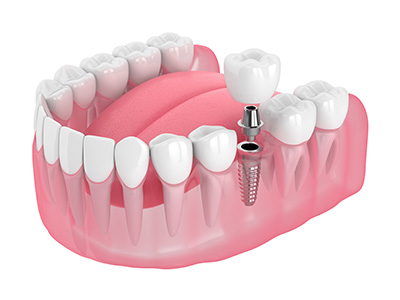
A dental implant is essentially an artificial tooth root — a small titanium post that’s placed directly into your jawbone. Once it fuses with the bone (a process called osseointegration), a natural-looking crown is attached on top. The result? A replacement tooth that looks, feels, and functions just like the real thing.
Dental implants are the gold standard missing teeth solution for a reason: they’re permanent, incredibly durable, and they don’t slip or shift the way dentures can. They’re designed to last a lifetime with proper care.
The journey typically involves three stages: first, the titanium implant is surgically placed into your jawbone. Over the next few months, the bone grows around the implant to hold it firmly in place. Finally, a custom-made ceramic crown is fitted on top — and you’re done. Your new tooth blends seamlessly with the rest of your smile.
The Benefits of Dental Implants at a Glance:
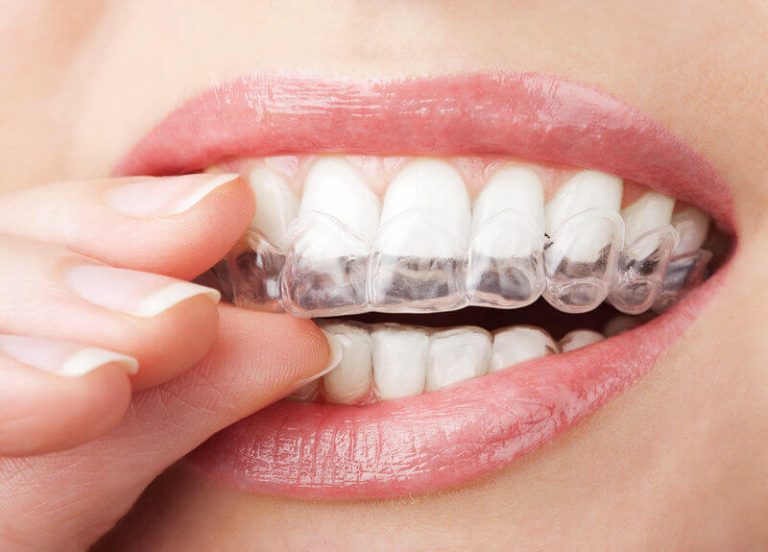
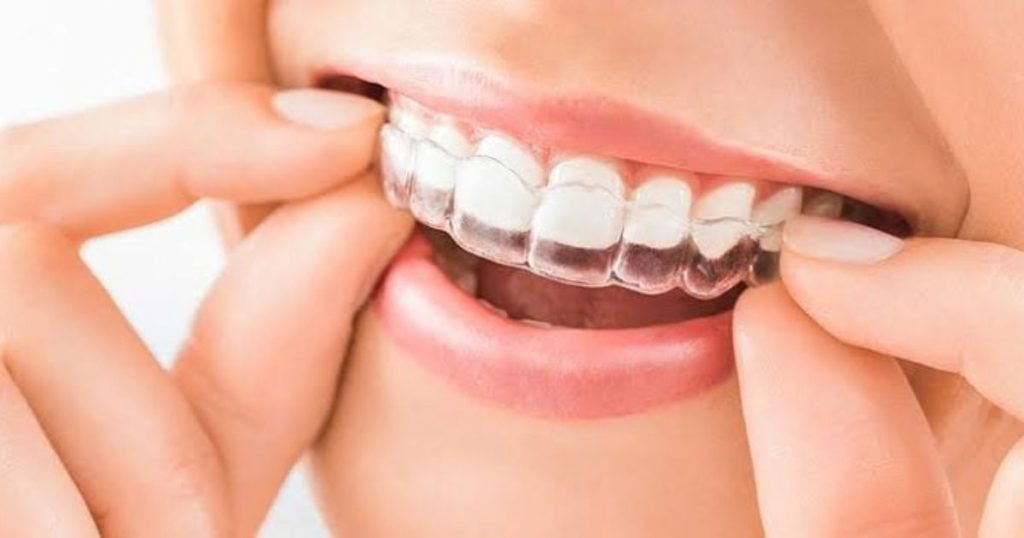
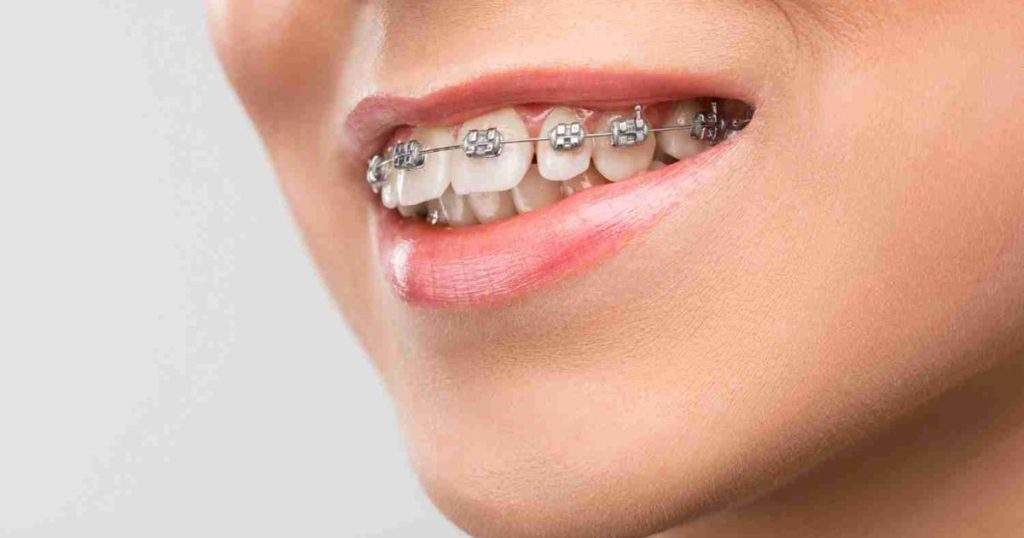
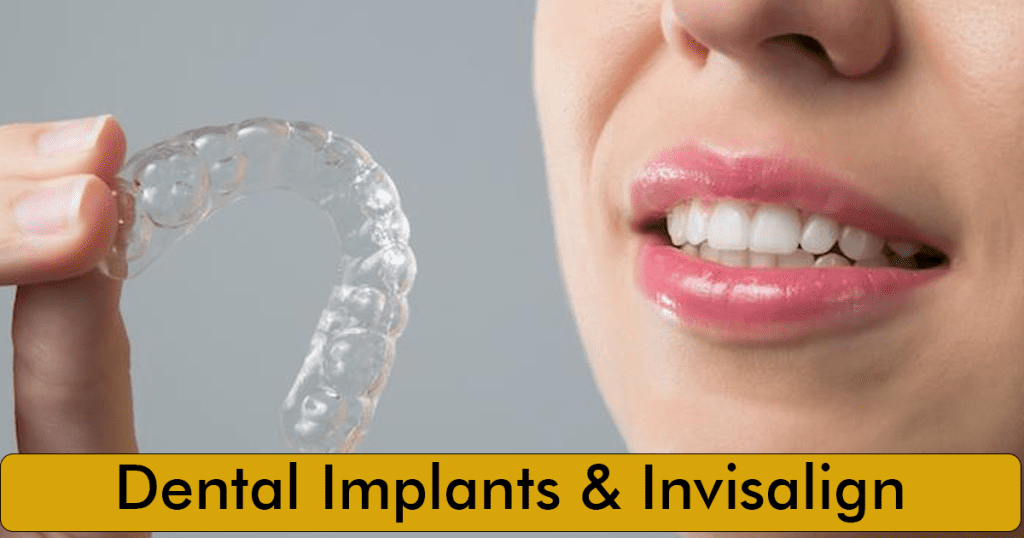
Invisalign is a modern approach to teeth alignment using a series of clear, removable plastic aligners — custom-made for your mouth. You wear each set for about two weeks before moving to the next, gradually guiding your teeth into their ideal positions. No wires, no brackets, no telling the world you’re in braces.
If you’ve always wanted straighter teeth but dreaded the idea of metal braces, Invisalign was practically designed for you.
It starts with a 3D scan of your teeth. From there, your dentist creates a personalised treatment plan showing you exactly how your smile will evolve at every stage. Your aligners are then manufactured to spec and delivered in sets. Most people wear their aligners for 20–22 hours per day — taking them out only to eat, drink, and clean your teeth.
These two treatments solve different problems, so it’s less about which is “better” and more about which is right for your situation. Here’s how they stack up side by side:
| Factor | Dental Implants | Invisalign |
|---|---|---|
| Purpose | Replacing missing or severely damaged teeth | Straightening and aligning existing teeth |
| Treatment Time | 3–9 months (including healing) | 6–18 months on average |
| Visibility | Blends naturally with teeth | Clear and virtually invisible |
| Maintenance | Brush and floss normally | Remove and clean aligners daily |
| Permanence | Permanent solution | Retainer needed after treatment |
| Best For | Missing teeth, bone health, bite restoration | Crooked teeth, gaps, mild-to-moderate bite issues |
Some patients actually benefit from both treatments — for example, using Invisalign to align remaining teeth before placing implants in the gaps. Your dentist can advise on the ideal sequence for your smile makeover.
Beyond the clinical benefits, it’s worth talking about what these treatments actually feel like in your day-to-day life — because that’s often what matters most.
Confidence. This one is huge. Missing teeth and visible misalignment can affect how freely you smile, laugh, and speak. Patients who complete either treatment consistently report feeling more at ease socially and professionally.
Oral Health. Straighter teeth are easier to clean, which means a lower risk of gum disease and decay. Implants prevent the jawbone deterioration that often follows tooth loss, maintaining the natural structure of your face over time.
Comfort. Modern dental implants integrate so naturally that most patients forget they have them. Invisalign aligners are smooth and well-fitted — far more comfortable than the metal brackets many people remember from childhood braces.
Longevity. Both treatments are long-term investments. Implants can last a lifetime; Invisalign’s results, maintained with a retainer, are permanent. These aren’t quick fixes — they’re lasting changes.
Implant surgery is done under local anaesthetic — most patients report only mild discomfort for a few days after. Invisalign may cause brief pressure when you switch to a new aligner set, which typically fades within 24–48 hours.
Costs vary based on complexity and location. Many clinics offer flexible payment plans to spread the cost. Think of it as an investment — both treatments can save you money on future dental issues down the line.
Implant treatment ranges from 3–9 months depending on healing. Invisalign typically takes 6–18 months. Your dentist will give you a personalised timeline at your consultation.
Not at all. Implants require standard brushing and flossing. With Invisalign, you rinse your aligners daily and clean them with a soft brush. No complex routines needed.
Absolutely — and it's more common than you'd think. Many patients use Invisalign to align their teeth first, then have implants placed in any gaps. Your dentist will help you plan the right order and timeline for your unique situation.
Yes — and that's one of the most compelling reasons to choose them. The crown fitted on top of your implant is custom-shaded to match your natural teeth. In most cases, even people close to you won't be able to tell the difference.
Invisalign works beautifully for mild-to-moderate alignment and bite issues. For severe skeletal or orthodontic cases, traditional braces or other orthodontic treatments may be more appropriate. Your dentist will assess your suitability during your initial consultation.
With good oral hygiene and regular dental check-ups, dental implants can genuinely last a lifetime. The titanium post is essentially permanent; the crown on top may need replacing after 15–20 years, though many last much longer.
Invisalign was actually designed with adults in mind! In fact, the majority of Invisalign patients are adults aged 25–50 who want to straighten their teeth discreetly. There's no upper age limit, and adult teeth can be moved just as effectively as younger ones.
Every great smile starts with a single conversation. Book your free, no-pressure consultation today and find out which treatment — implants, Invisalign, or both — is right for you.
No commitment required · Expert advice · Personalised treatment plan