
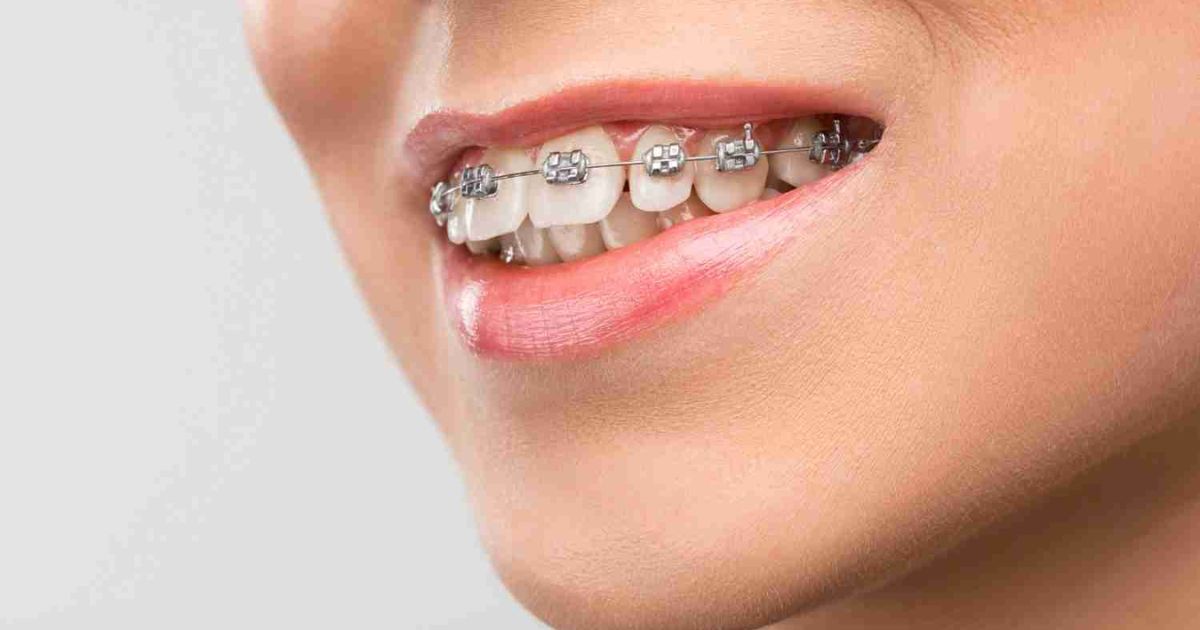
Conventional Braces remain one of the most effective, reliable, and versatile orthodontic treatments available. They are particularly suitable for moderate to severe misalignment, complex bite issues, and significant crowding. At Foxlane Dental on Fox Lane, Palmers Green, we offer metal, ceramic, and self-ligating braces at affordable prices. Whether you’re a teenager or an adult, our experienced orthodontic team will create a personalised treatment plan based on your teeth, goals, and budget.
What Are Conventional Braces?
Conventional braces, also known as fixed or traditional braces, are bonded directly to your teeth and apply gentle, continuous pressure to gradually move them into the correct position. Unlike removable aligners such as Invisalign, they work 24/7 throughout treatment. Treatment typically takes 18–24 months, although complex cases may take 12–30 months depending on individual needs. Because conventional braces are fixed and can only be removed by your dentist, they are particularly effective for complex cases requiring precise and controlled tooth movement.
The Three Types of Conventional Braces at Foxlane Dental
At Foxlane Dental in Palmers Green, we offer three types of conventional fixed braces each with distinct advantages depending on your clinical needs, aesthetic preferences, and budget:
1. Metal (Metallic) Braces
Metal braces are conventional fixed braces made from durable metal brackets and archwires. The brackets are bonded to the front of your teeth, while elastics hold the wire in place to gradually guide your teeth into alignment.
Why choose metal braces?
- ✅ Suitable for mild to severe cases — versatile for different orthodontic needs
- ✅ Highly effective — a proven treatment backed by decades of clinical use
- ✅ Most affordable option — an economical choice for fixed braces
- ✅ Durable and reliable — resistant to chipping and staining
- ✅ Customisable — coloured elastics can be changed at each appointment
- ✅ Ideal for complex cases — effective for significant crowding and bite problems
2. Ceramic Braces
Ceramic braces are conventional fixed braces with tooth-coloured porcelain brackets, making them a more discreet alternative to metal braces. They work in the same way as metal braces, using wires to gradually and precisely move your teeth into alignment.
Why choose ceramic braces?
- ✅ Tooth-coloured brackets — blend naturally with your teeth and are less noticeable
- ✅ Highly effective — provide the same precise tooth movement as metal braces
- ✅ Ideal for mild to moderate cases — suitable for many orthodontic concerns
- ✅ Popular with adults — a discreet option for patients who prefer less visible braces.
3. Self-Ligating Braces
Self-ligating braces are an advanced type of conventional fixed braces that use a built-in clip or sliding mechanism to hold the wire, instead of traditional elastic or metal ligatures. This reduces friction and can make treatment more comfortable and efficient.
Why choose self-ligating braces?
- ✅ Potentially faster treatment — may reduce overall treatment time in some cases
- ✅ More comfortable — reduced friction can help minimise pressure and discomfort
- ✅ Greater arch expansion — may create additional space and reduce the need for extractions in suitable cases
- ✅ Fewer or quicker appointments — the built-in mechanism can make adjustments more efficient
- ✅ Suitable for mild to severe cases — versatile for a wide range of orthodontic concerns
- ✅ Tooth-coloured options available — combine a more discreet appearance with self-ligating technology
What Conditions Can Conventional Braces Treat?
Conventional braces can effectively treat a wide range of orthodontic concerns, including:
- Crowded teeth — insufficient space causing teeth to overlap or become misaligned.
- Gaps between teeth — unwanted spaces between teeth.
- Overbite — upper teeth extend too far over the lower teeth.
- Underbite — lower teeth sit in front of the upper teeth.
- Crossbite — upper teeth bite inside the lower teeth.
- Open bite — upper and lower teeth do not meet correctly when biting.
- Rotated or misaligned teeth — teeth that are twisted, tilted, or out of position.
- Complex bite problems — multiple alignment or bite issues requiring precise tooth movement.
The Conventional Braces Treatment Journey at Foxlane Dental
Step 1 — Consultation & Assessment
Your orthodontist will examine your teeth, take any necessary photographs and X-rays, and assess your orthodontic needs. Your treatment options, personalised plan, and costs will be discussed.
Step 2 — Fitting Your Braces
Your metal, ceramic, or self-ligating braces are fitted by bonding brackets to your teeth and attaching an archwire. The appointment typically takes 1–2 hours.
Step 3 — Regular Adjustments
You will attend regular appointments, usually every 6–8 weeks, to adjust or replace the archwire and monitor your progress. Mild discomfort after adjustments is normal and usually settles within a few days.
Step 4 — Braces Removal
Once your teeth have reached their desired positions, your braces are carefully removed and any remaining adhesive is cleaned from your teeth.
Step 5 — Retainers
After treatment, you will be fitted with removable or fixed retainers to help maintain your new smile. Wearing your retainers as advised is essential for long-lasting results.
The Benefits of Conventional Braces at Foxlane Dental
- Clinically versatile — Conventional braces can treat a wide range of orthodontic concerns, from mild misalignment to more complex bite and crowding issues.
- Continuous tooth movement — As fixed appliances, braces work around the clock to apply controlled pressure and gradually move your teeth into position.
- Reliable and precise — The fixed nature of braces allows your orthodontic team to maintain consistent control over tooth movement throughout treatment.
- Multiple options available — Choose from metal, ceramic, and self-ligating braces depending on your orthodontic needs, appearance preferences, and budget.
Frequently Asked Questions About Conventional Braces
How long does treatment take with conventional braces?
Treatment typically takes 18–24 months, although the exact duration depends on your individual orthodontic needs and the complexity of your case.
Are conventional braces painful?
Having braces fitted is not painful. You may experience mild pressure or discomfort for a few days after fitting and adjustments, which is normal and temporary.
What is the difference between metal, ceramic, and self-ligating braces?
Metal braces are durable, versatile, and affordable. Ceramic braces use tooth-coloured brackets for a more discreet appearance. Self-ligating braces use built-in clips to hold the wire, reducing friction and potentially improving comfort and treatment efficiency.
Can adults have conventional braces?
Yes. Conventional braces are suitable for adults as well as teenagers. Ceramic and self-ligating braces are popular choices for adults looking for a more discreet option.
What can I eat with braces?
Most foods are fine, but avoid hard and sticky foods such as ice, hard sweets, chewing gum, and toffee. Cut harder foods into smaller pieces to help protect your braces.
Do I need retainers after braces?
Yes. Retainers are essential for maintaining your results after treatment. Without them, teeth can naturally shift back towards their original positions.
Book Your Orthodontic Consultation at Foxlane Dental Today
Book your consultation today and take the first step towards a straighter, healthier smile. Whether you’re considering braces for yourself or your child, or you’ve been thinking about straightening your teeth for years, the experienced orthodontic team at Foxlane Dental in Palmers Green is here to help.